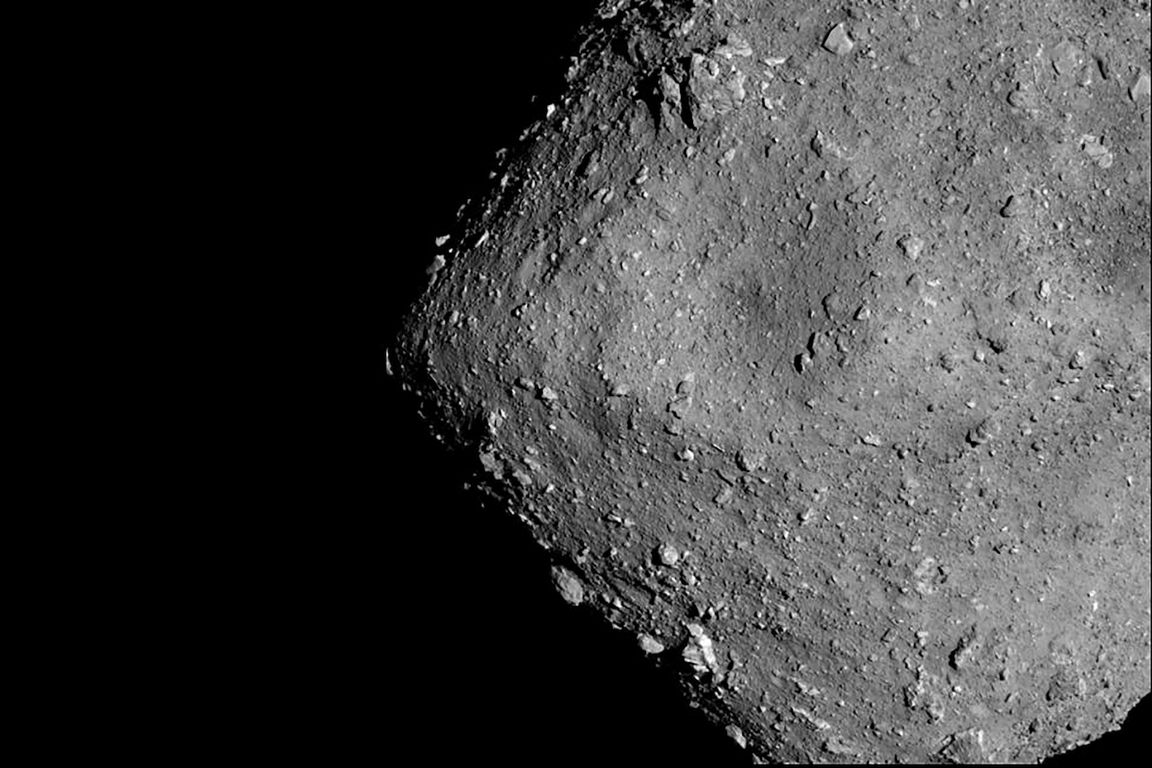
Mineral samples collected from the Ryugu asteroid by the Japan’s Hayabusa2 spacecraft are helping UCLA space scientists and colleagues better understand the chemical composition of our solar system as it existed in its infancy, more than 4.5 billion years ago.
In research recently published in Nature Astronomy, scientists using isotopic analysis discovered that carbonate minerals from the asteroid were crystallized through reactions with water, which originally accreted to the asteroid as ice in the still-forming solar system, then warmed ...
Surprise asteroid photobombs Hubble telescope image, can you spot it? | Space
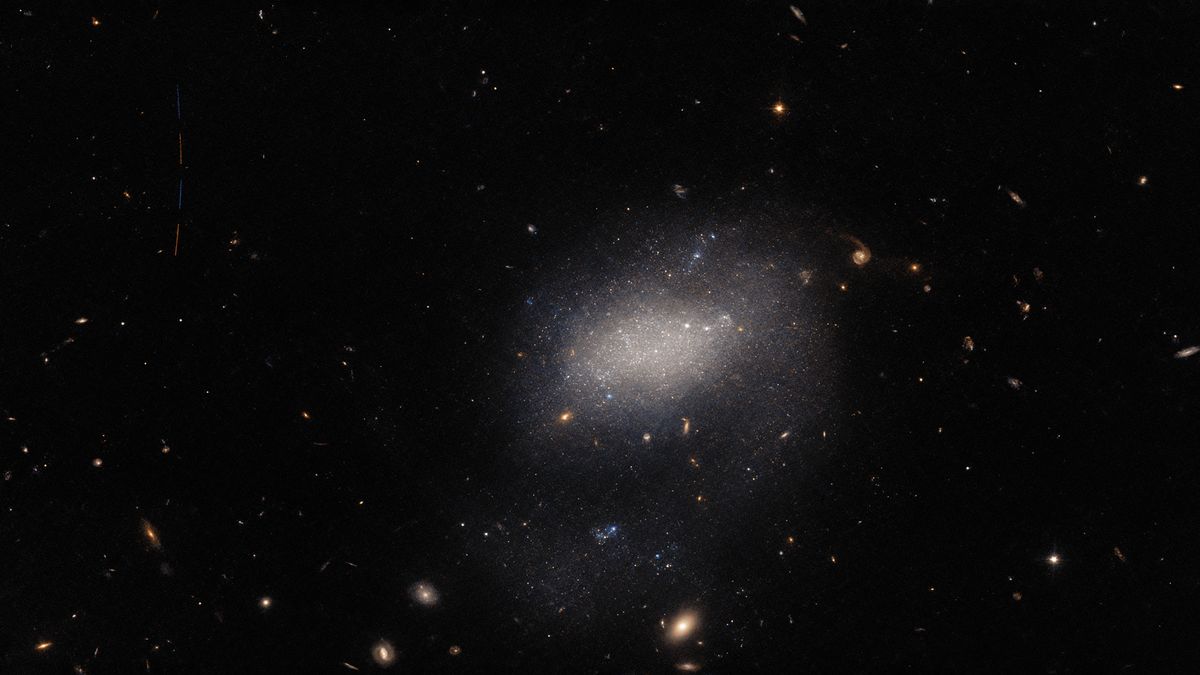
The Hubble Space Telescope caught an unexpected asteroid streaking across a field of distant galaxies.
In the image, released on Monday (Jan. 16) by the European Space Agency (ESA), the asteroid can be seen as a row of four thin consecutive lines captured in alternating shades of blue and orange spreading from the left upper corner toward the middle section of the image.

A web tool allows you to simulate an asteroid hitting San Antonio
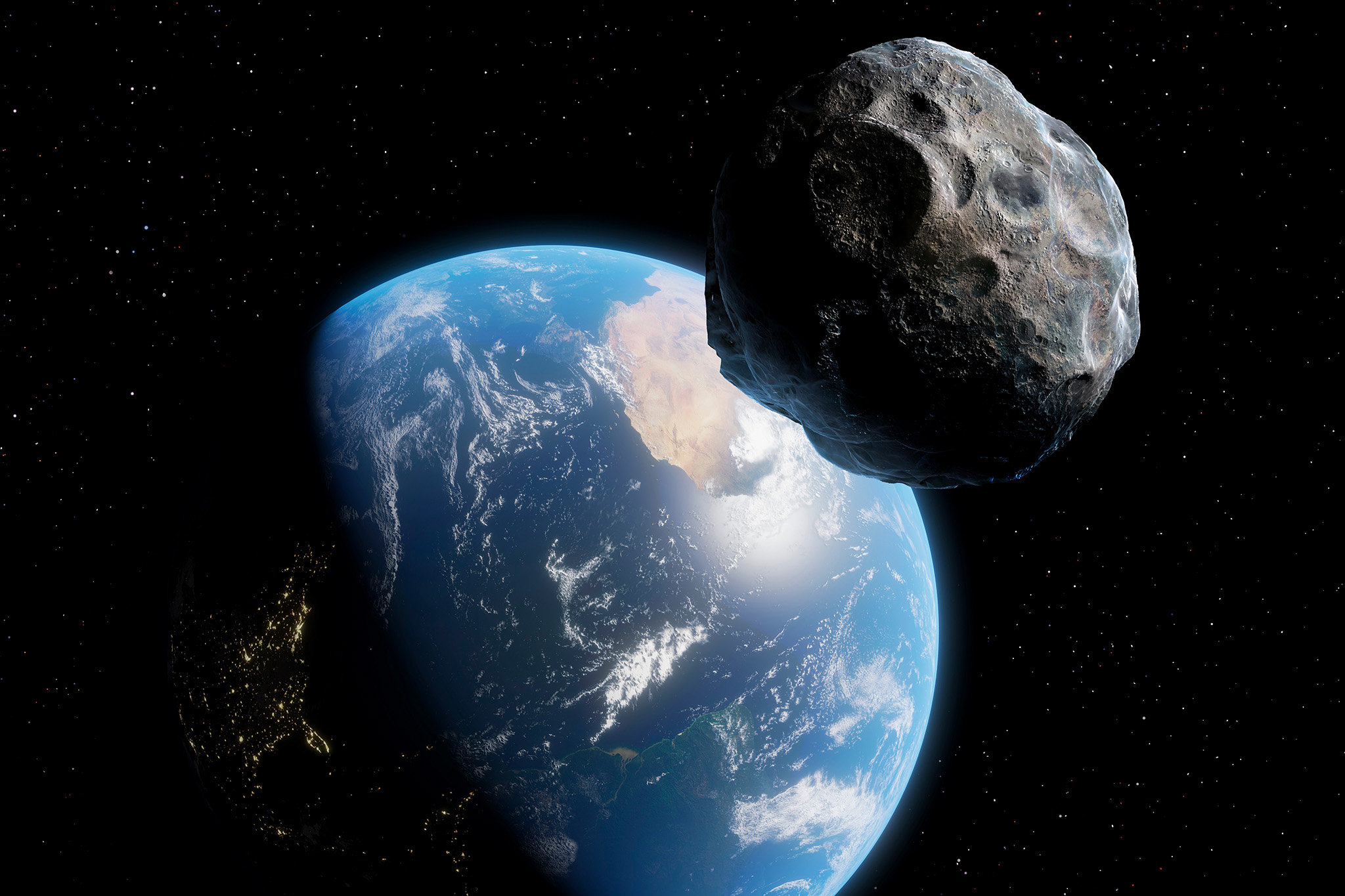
Asteroid Launcher is a new web tool that allows you to see what it would look like if an asteroid smashed into San Antonio, Austin, or anywhere else on earth.
The online simulator, developed by Neal Agarwal , allows users to choose from carbon and several different compositions of space rock.
Are we safe from a sudden asteroid strike? No, says India's first meteor scientist

Though scientists are still not agreed on what caused these mass extinctions - global warming or oxygen depletion in seas or meteor hits or massive methane leaks from ocean ice or COVID-like epidemics or hell-hot hurricanes called hypercanes - there is a general consensus that the dinosaur-ending ...
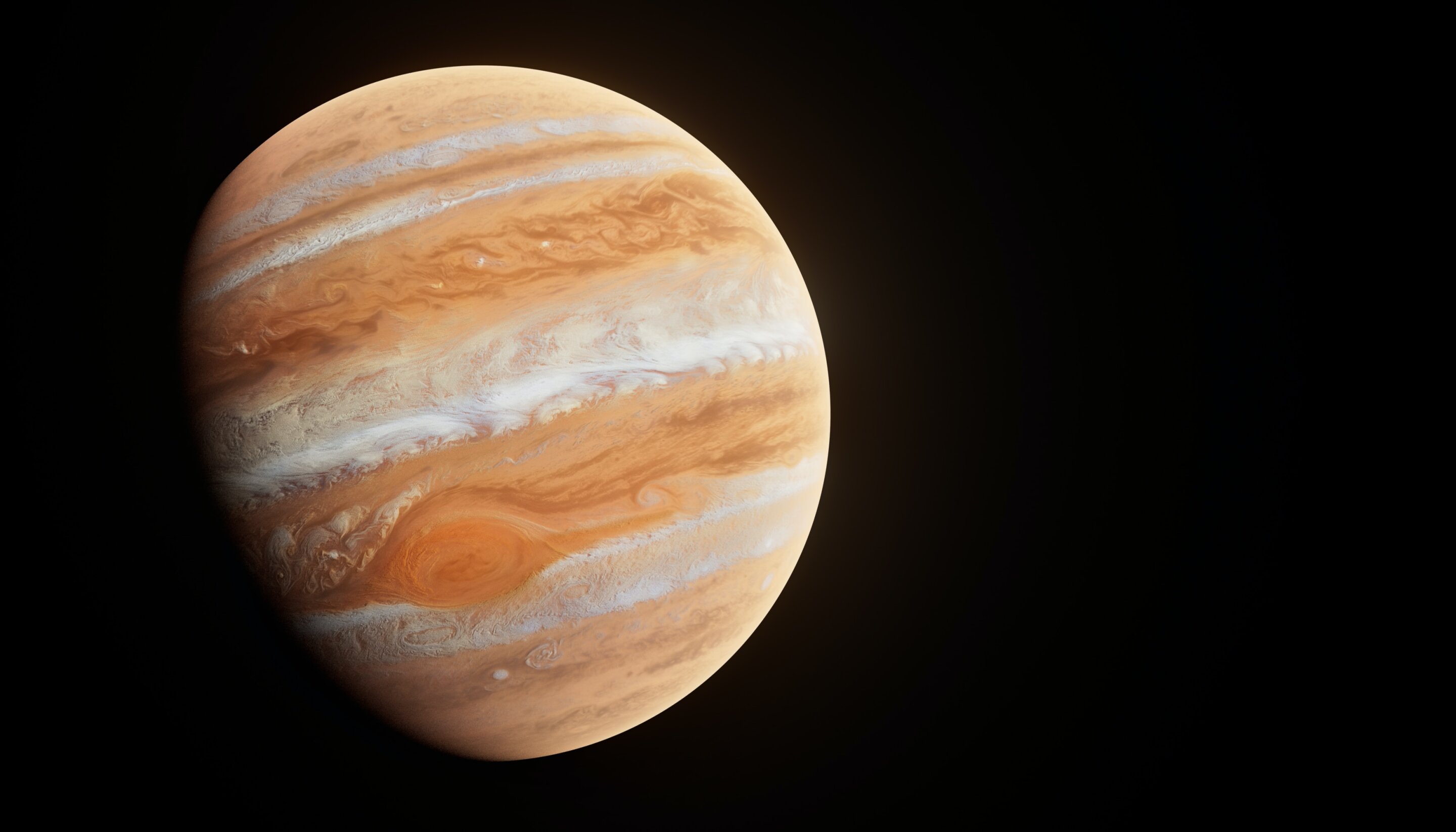
Scientists offer a new explanation for a mystery surrounding Jupiter's two massive asteroid swarms
Use this form if you have come across a typo, inaccuracy or would like to send an edit request for the content on this page. For general inquiries, please use our contact form . For general feedback, use the public comments section below (please adhere to guidelines ).
Your feedback is important to us. However, we do not guarantee individual replies due to the high volume of messages.
NASA Astronomy Picture of the Day 16 January 2023: Moon-pockmarked by asteroid strikes | Tech News
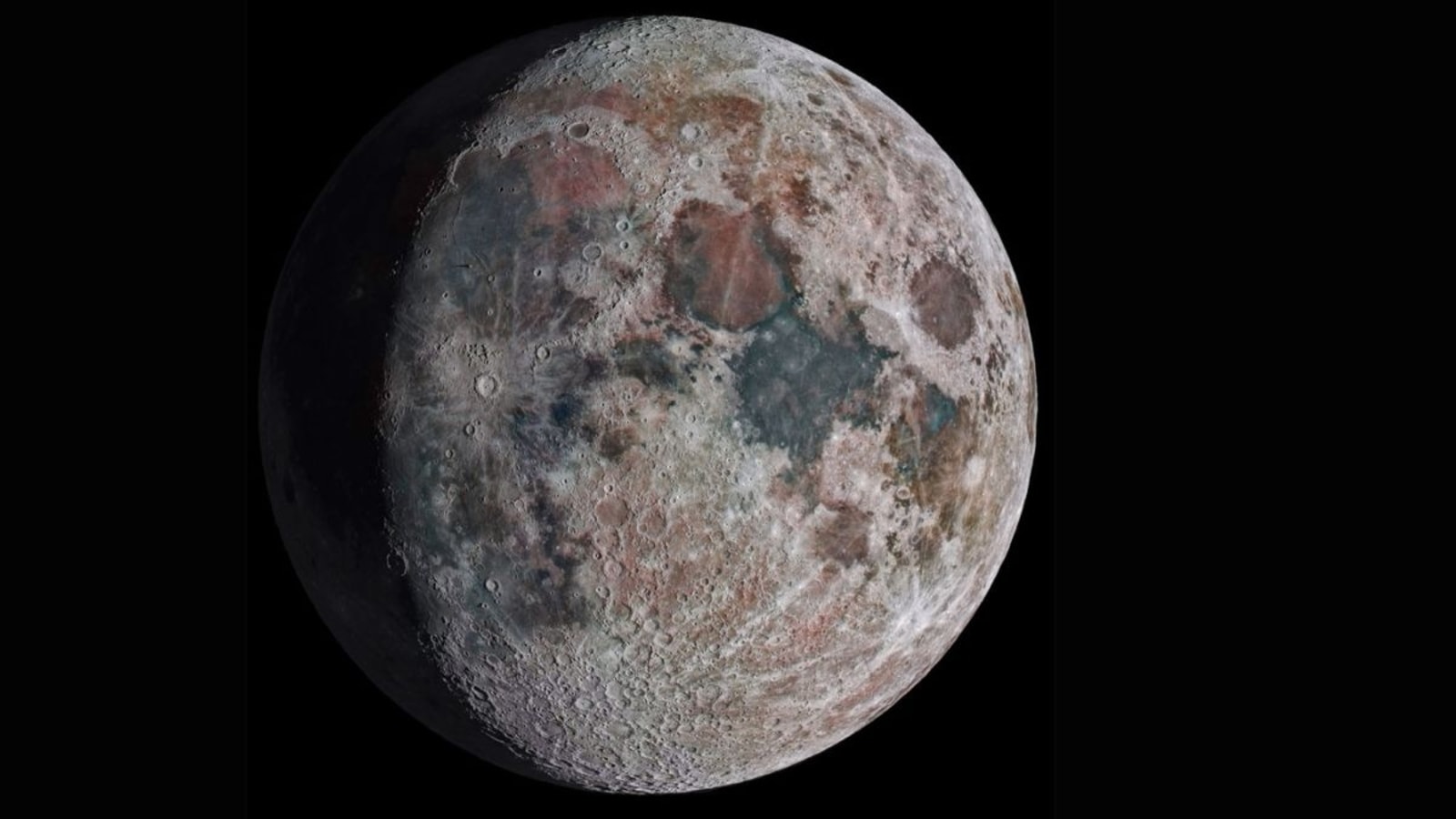
The Moon has long been one of the central pieces of the studies related to Earth. Its presence influences various phenomena on the planet, such as tides. The Moon is believed to have formed about 4.5 billion years ago, shortly after the formation of the solar system.
NASA's Astronomy Picture of the Day is a high-res image of Earth's Moon, also known as Luna in Latin.

How did Dimorphos Form? - Universe Today
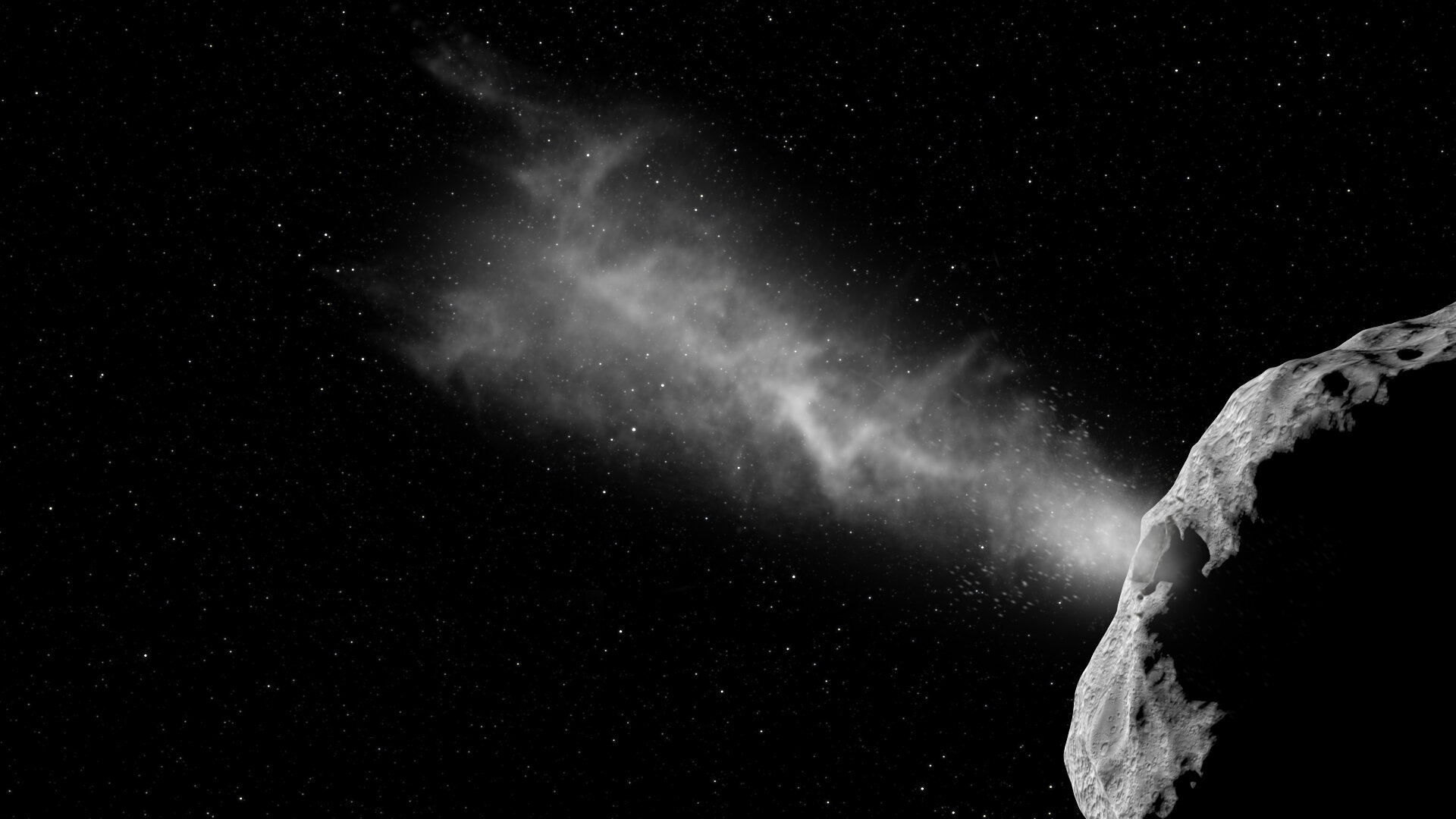
The otherwise unremarkable double asteroid of Didymos and Dimorphos made headlines as the target of NASA’s successful Double Asteroid Redirect Test (DART) mission.
In this scenario long ago Didymos spun up far too quickly. It could have been from a glancing collision or just from too many gravitational interactions with neighbors. Once it spun up it began losing mass, which formed a ring surrounding it.

ASU, NASA project zooms in on the structure of meteorites | ASU News
NASA's Most Powerful Telescope Takes Its First-Ever Direct Image of Alien World Outside Our Solar System https://t.co/o2uSlk1tbX MAstronomers (from Milky Way) Tue Jan 17 22:41:51 +0000 2023
Few worlds in our solar system are as compelling as Saturn's icy ocean moon Enceladus. This small moon orbits Satur… https://t.co/xZCJakFOIV ScienceChannel Tue Jan 17 19:29:58 +0000 2023
Army of the Alien Monkeys
Earth is nice. We want it.
We welcome your submission to us.


No comments:
Post a Comment