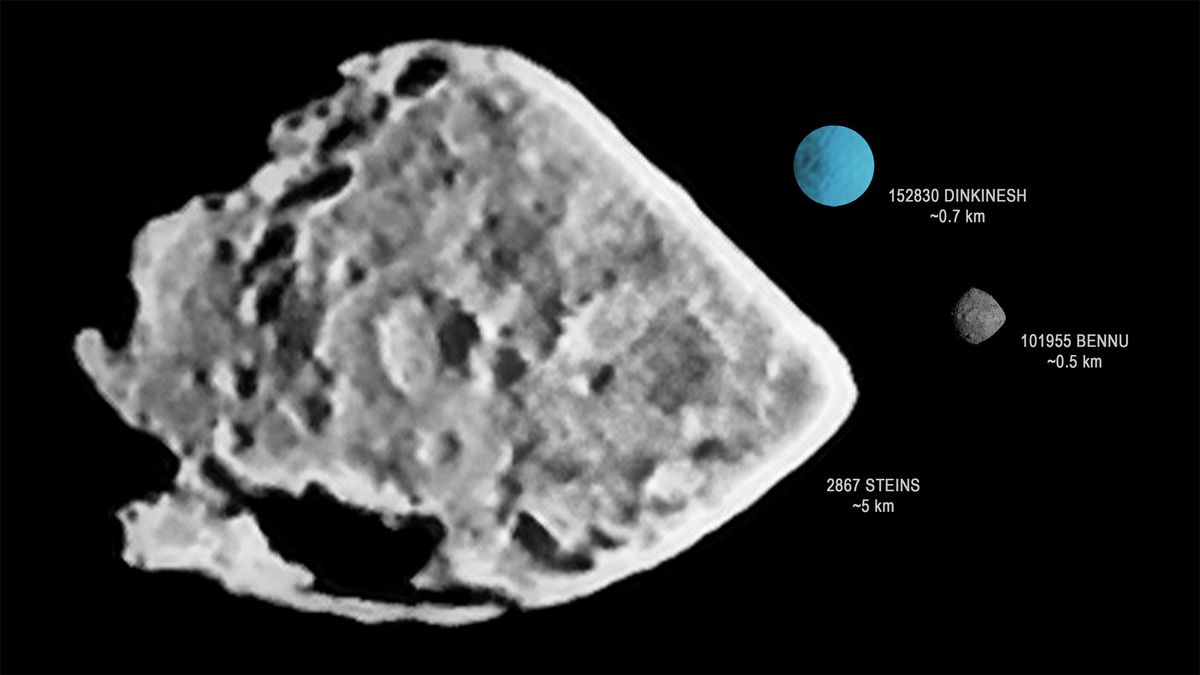
The first asteroid to be visited by NASA's space rock-hopping craft Lucy has finally been given a name.
Dinkinesh was discovered in 1999, but like millions of other main-belt asteroids , it didn't get a name, only receiving a designation number when its orbit was well determined. First known under its provisional designation as 1999 VD57, the asteroid later entered catalogs as 152830.

Chinese asteroid-detection system enters new phase of construction | Space
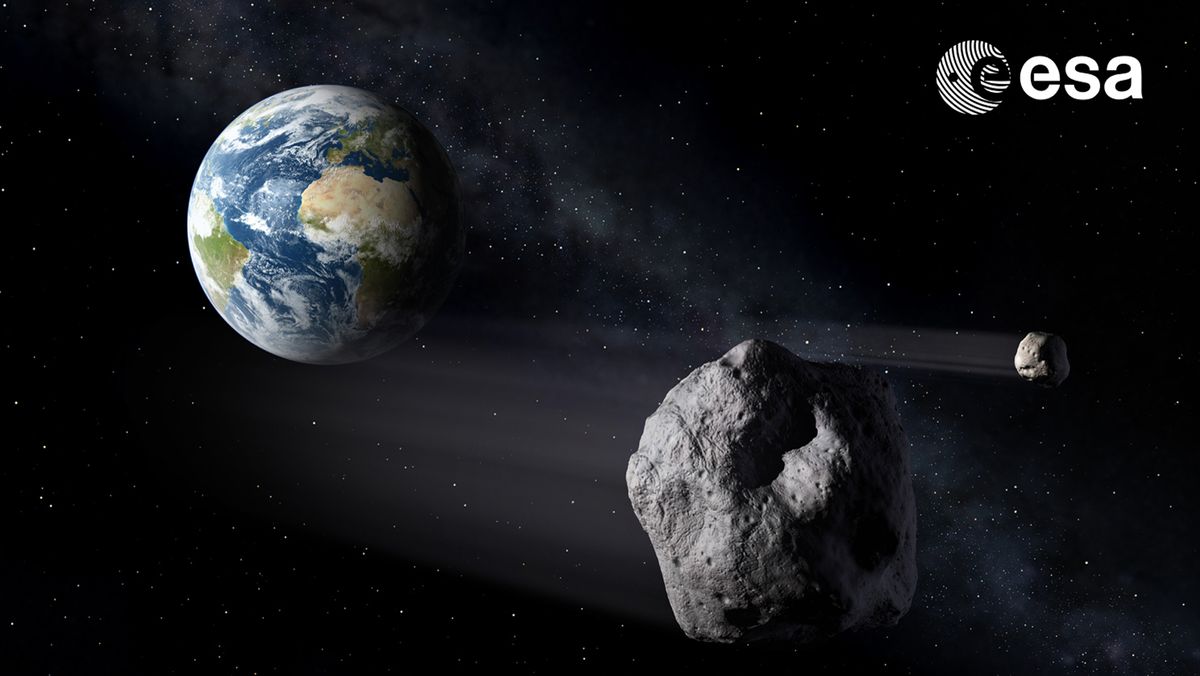
The "China Compound Eye" or Fuyan project will create a network of radar antennae that will bounce radar signals off distant objects to image and track asteroids and determine if they could threaten Earth.
A first phase consisting of four, 54-foot-diameter (16 meters) radars located near Chongqing in southwest China was completed (opens in new tab) last December. Scientists then pinged signals off the moon to verify the feasibility of the system and its key technologies.

This potato-shaped asteroid flew past Earth this month | News | southernminn.com

A little under five times the distance between the Moon and Earth, there was no risk of the asteroid – called 2011 AG5 – impacting our planet.(Photo by NASA/JPL-Caltech via SWNS)
A potato-shaped asteroid that flew past Earth this month is being described as the most elongated ever imaged.

NASA predicts close approach of Asteroid 2023 CR2 TODAY! | Tech News

Asteroid flybys have become quite frequent as the year has progressed. As many as 5 asteroids made close approaches to Earth the day before yesterday.
The asteroid is named 2023 CR2. NASA has revealed the asteroid's speed, distance, trajectory and more. Check it out here.

How Was the Solar System Formed? An Ancient Asteroid Is Helping Us Learn
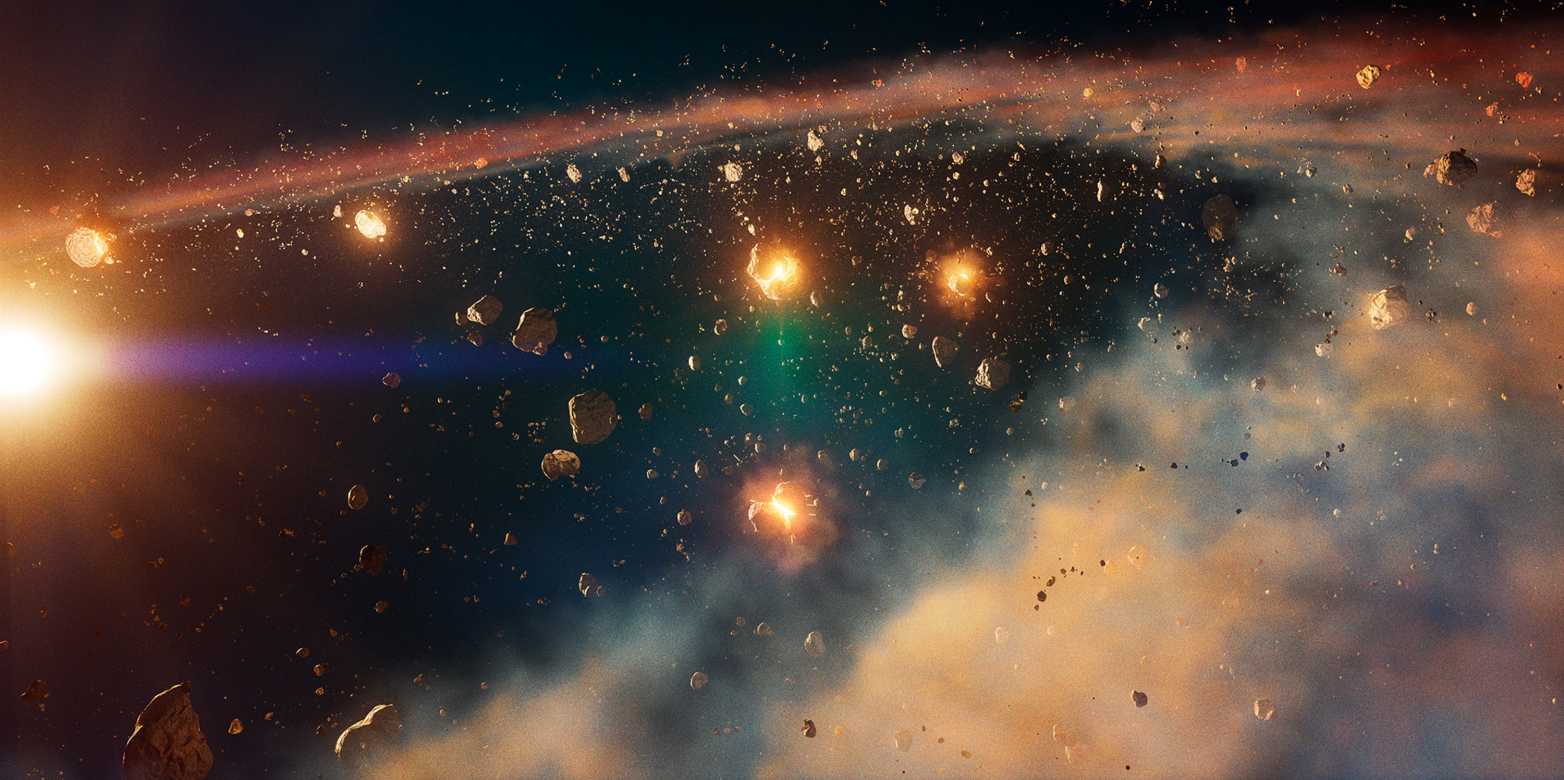
Their research, published in Nature Astronomy, has revealed that the carbonate minerals found on an asteroid were formed from reactions with water that was originally present as ice in the early solar system.
The rocky, carbon-rich Ryugu is the first C-type (C stands for "carbonaceous") asteroid from which samples have been gathered and studied, said study co-author Kevin McKeegan, a distinguished professor of Earth, planetary and space sciences at UCLA.
Asteroid targeted by NASA's Lucy spacecraft gets a marvelous name https://t.co/HCf1TGaSN3 https://t.co/K2nazXgBIK SPACEdotcom (from NYC) Mon Feb 20 17:19:13 +0000 2023

No comments:
Post a Comment