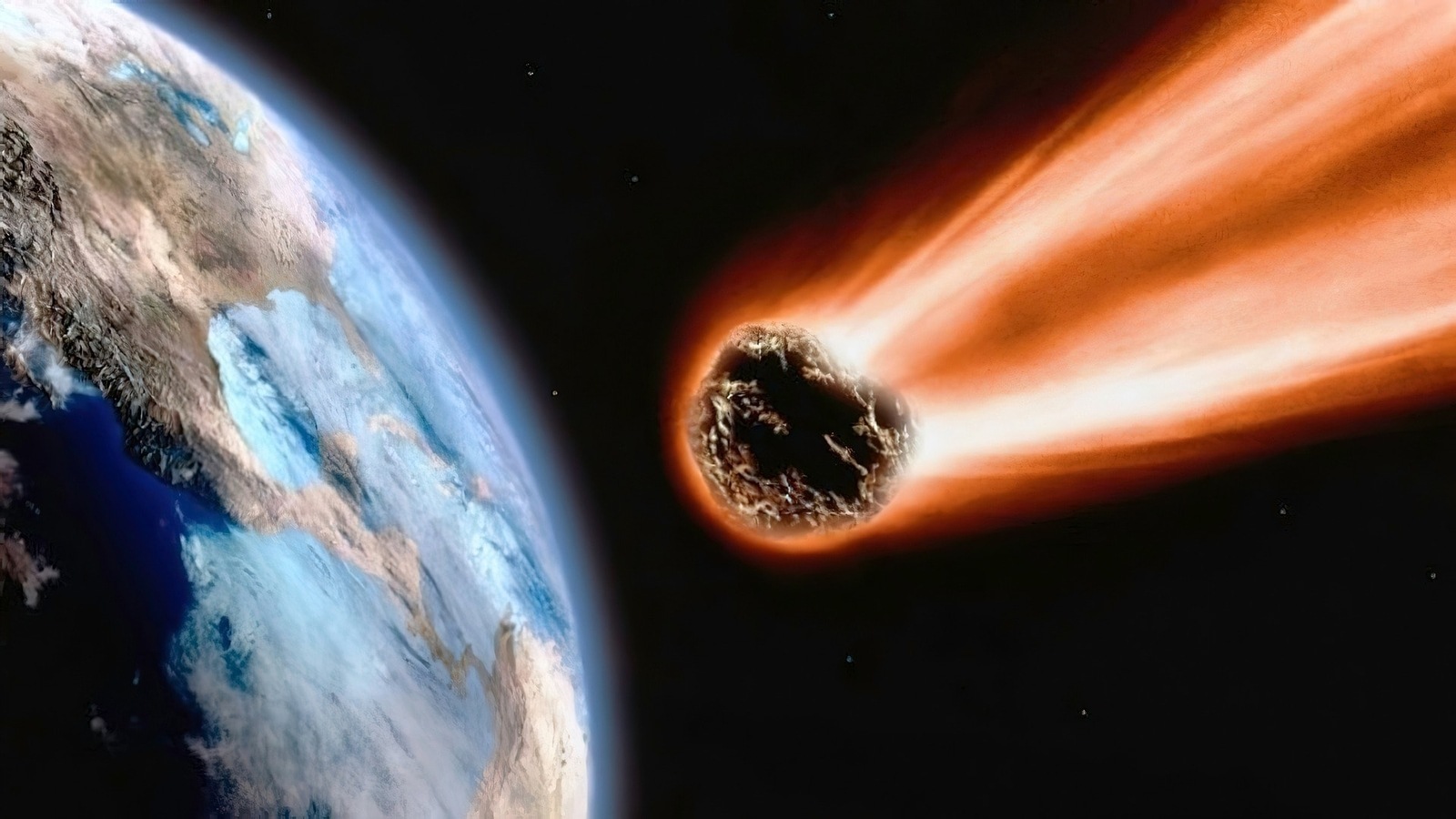
Earth heaved a sigh of relief as a humongous 360-feet wide asteroid shot past Earth at extremely close quarters yesterday! This asteroid named 2022 RB5 marked its closest approach at just 3.11 million miles.
But how does NASA determine if the upcoming asteroid is dangerous for Earth or not? These giant rocks in space, known as asteroids generally travel around the Sun , but can change their paths due to the gravitational force of planets and sometimes even collide with them!

Asteroid science is rewriting the solar system's history

New studies, missions and rich data about asteroids are giving scientists a sharper picture of the solar system's history.
Driving the news: A trio of papers published today analyzed samples from the asteroid Ryugu returned to Earth in 2020 by the Hayabusa2 spacecraft.

Hubble shows view of twin tail created by asteroid impact mission | CNN
Sign up for CNN's Wonder Theory science newsletter. Explore the universe with news on fascinating discoveries, scientific advancements and more .
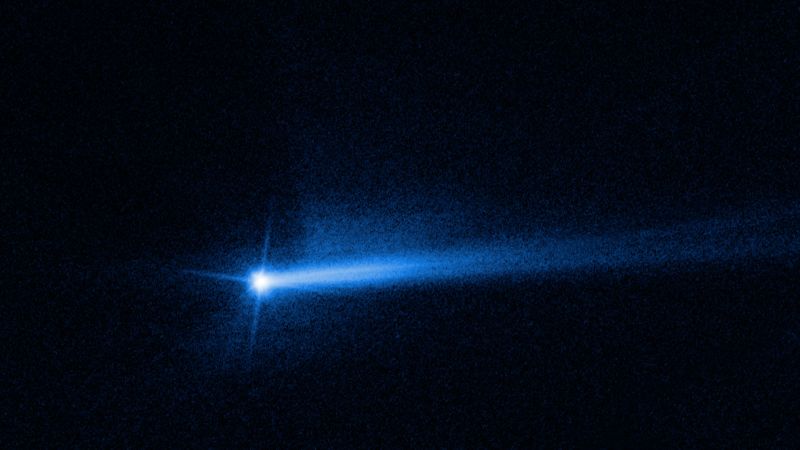
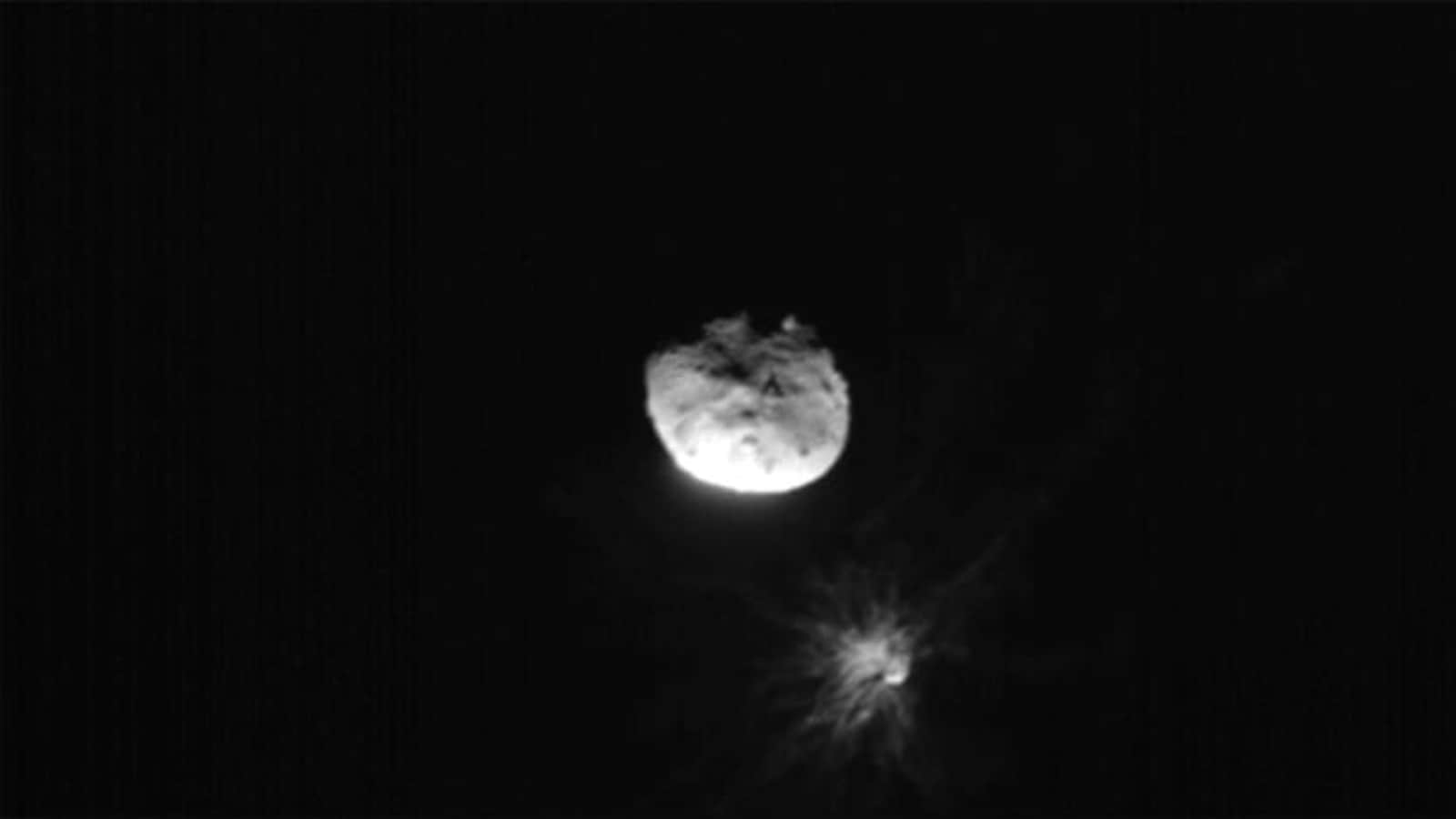
The Hubble Space Telescope captured a new snapshot of the asteroid that NASA recently slammed with a spacecraft in an attempt to knock it off course, and the image reveals the clearest look yet at some unexpected results from the mission — a twin tail of dust trailing behind the asteroid ...
Rock scooped off speeding asteroid may be comet that lost its tail | University of Chicago News

An analysis of rock scooped directly from the surface of an asteroid by a Japanese spacecraft suggests that it was once a comet that lost its tail.
If confirmed, the finding has implications for our understanding of the early solar system and how the planets and asteroids ended up where they are today.
Space news weekly recap: Returning asteroid samples, birth of a black hole and more | Technology ...
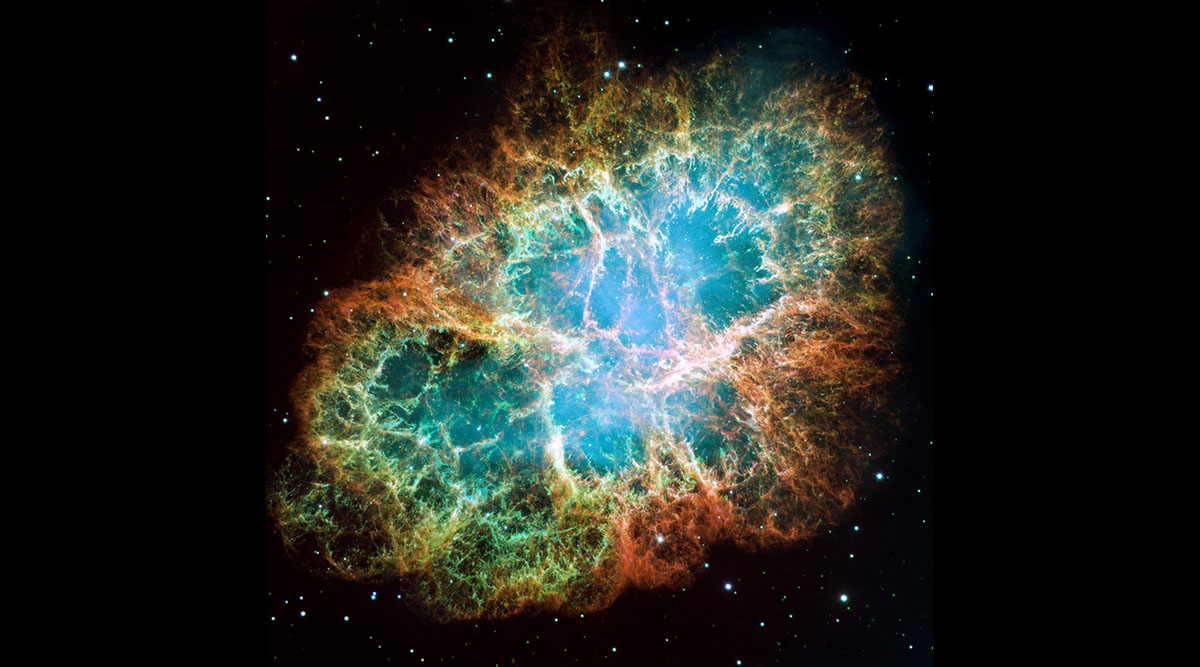
On October 9, a powerful long-lasting pulse of radiation swept over our planet . According to NASA, this blast came from a "gamma-ray burst," which is one of the most powerful kinds of explosions in the universe.
According to NASA, this burst was probably caused by a massive star collapsing under its own weight to form a black hole, When this happens, the new-born black hole attracts powerful streams of particles that travel nearly at the speed of light.

The asteroid that wiped out the dinosaurs caused a 'megatsunami' - The Washington Post

Sixty-six million years ago, a nearly nine-mile-wide asteroid collided with Earth, sparking a mass extinction that wiped out most dinosaurs and three-quarters of the planet's plant and animal species.
A study, published in AGU Advances, recently allowed scientists to reconstruct the asteroid's impact. Scientists were able to estimate the extreme effects of the collision, which included a global tsunami that brought flooding around the world.
Mark Bennett: Planet-saving asteroid test mission shows need for global teamwork | News Columns | ...
Mark Bennett has reported and analyzed news from the Wabash Valley and beyond since Larry Bird wore Sycamore blue. That role with the Tribune-Star has taken him from Rome to Alaska and many points in between, but Terre Haute suits him best.
ESA - Shadow hunters capture Didymos asteroid eclipsing stars

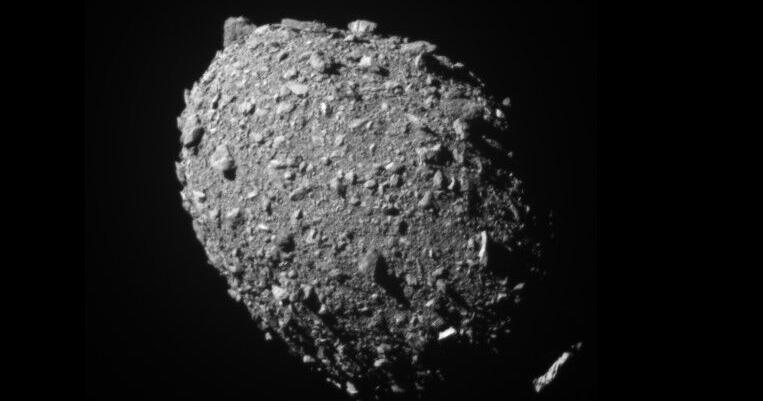
After months of effort, astronomers have succeeded in capturing the momentary shadow cast by the Didymos asteroid, from tens of million km away as it passed in front of far-distant stars – a feat of observation only made possible when both the trajectory of the asteroid and the precise location ...
This GIGANTIC asteroid is spinning FASTER, creating a big worry for astrologers | Tech News
A potentially dangerous asteroid has left scientists' worried with its rising spin rate. The near-Earth asteroid Phaethon is spinning faster and faster. A recent study led by a team of researchers has detected the asteroid's rotational period is decreasing by 4 milliseconds per year.
1. 3200 Phaethon is an asteroid 5 kilometers in diameter. The asteroid is rotating faster and faster on its axis, at the rate of about 4 milliseconds per year.
🥰🍀💕❤️💋😘
https://sypuber.page.link/forestgods
Forest Gods. Click here.


No comments:
Post a Comment