
But Dart's cameras were not the only eyes watching Dimorphos on Monday.
Among the first groups to share images of the impact was the Asteroid Terrestrial-impact Last Alert System, or Atlas Project, a network of four telescopes based in Hawaii, Chile, and South Africa.
The Atlas project has since posted another view of the impact, this time with the background stars motionless in the view, giving a better impression of the motion of Dimorphos.
Asteroid impacts on moon coincide with some on Earth, glass bead study shows

The study also found that major impact events on Earth did not happen in isolation, but were accompanied by a series of smaller impacts.
Researchers suggest the findings shed new light on the asteroids in the inner solar system, including the likelihood of potentially devastating Earth-bound asteroids.
Telescopes and satellites captured clouds and spider-like plumes of debris after NASA smashed a ...

The spacecraft took images of its impending doom until the very end, when it rammed into the targeted space rock: Dimorphos. In other corners of the universe, powerful instruments provided detailed views of the impact and its aftermath.
The DART mission, short for Double Asteroid Redirection Test , slammed a spacecraft into Dimorphos so scientists could see whether the impact nudges the space rock ever so slightly. Dimorphos is around 525 feet in diameter, and it orbits another, larger asteroid — the 2,650-foot-wide Didymos.
Bam! NASA spacecraft crashes into asteroid in defense test | The Seattle Times
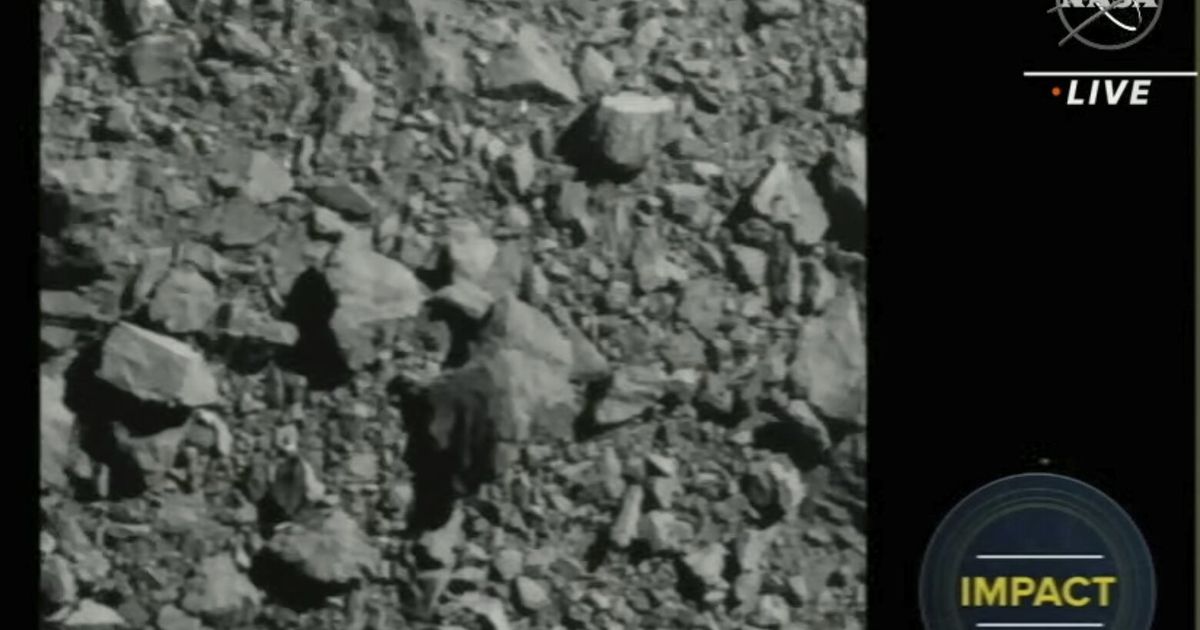
The galactic slam occurred at a harmless asteroid 7 million miles (11.3 million kilometers) away, with the spacecraft named Dart plowing into the space rock at 14,000 mph (22,500 kph).
"We have impact!" Mission Control’s Elena Adams announced, jumping up and down and thrusting her arms skyward.

The asteroid that made Earth's largest crater may have been 15 miles wide | Popular Science
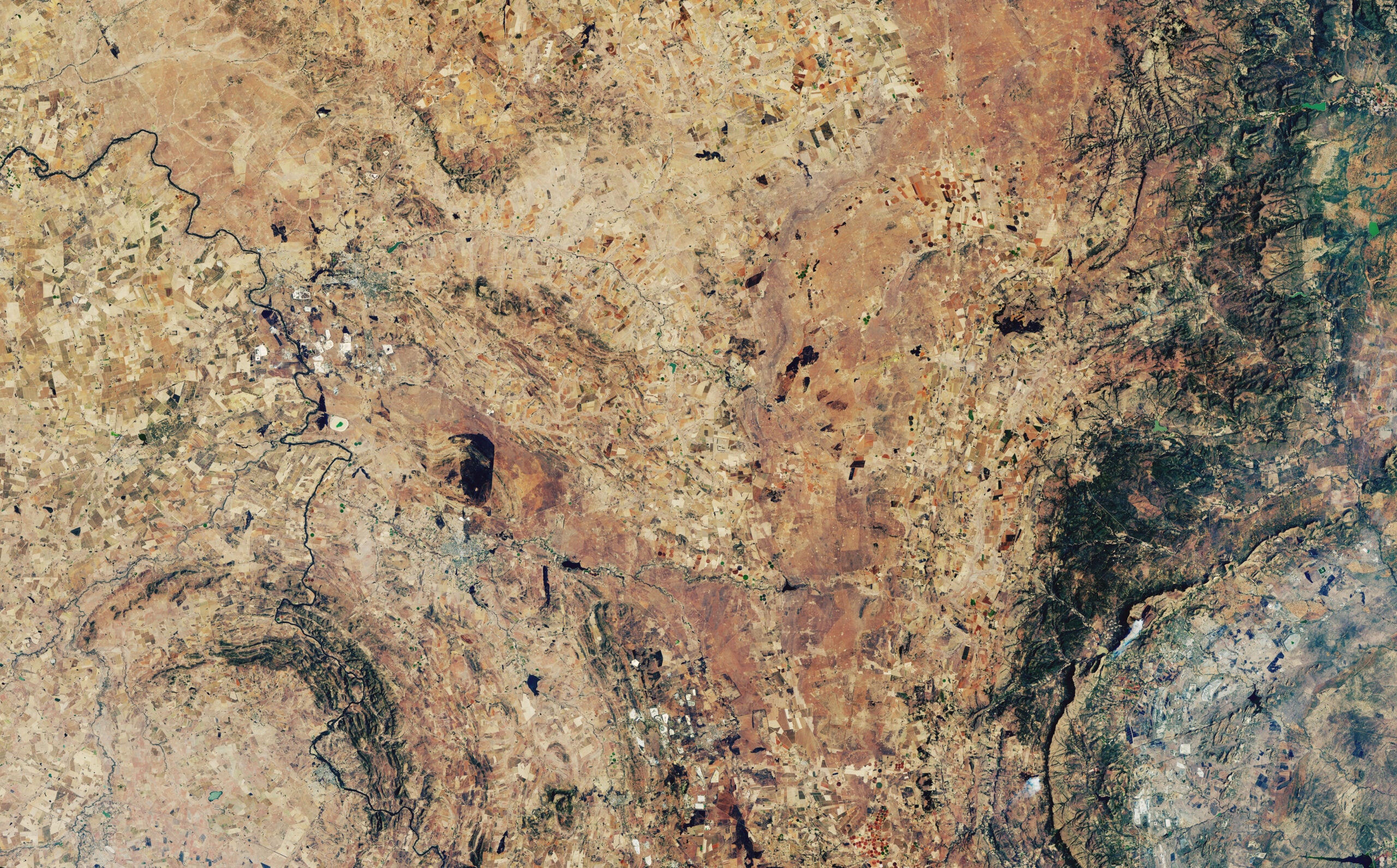
It's a big week for asteroids, and not just because NASA's DART mission intentionally slammed a spacecraft into an asteroid . An ancient space rock is getting another chance in the spotlight as well.
At roughly 62 miles (100 kilometers) in diameter, the Vredefort crater, located near the present-day city of Johannesburg, South Africa, is the largest and oldest-known impact crater on the planet.

A closer look at DART's final images before asteroid crash | Digital Trends
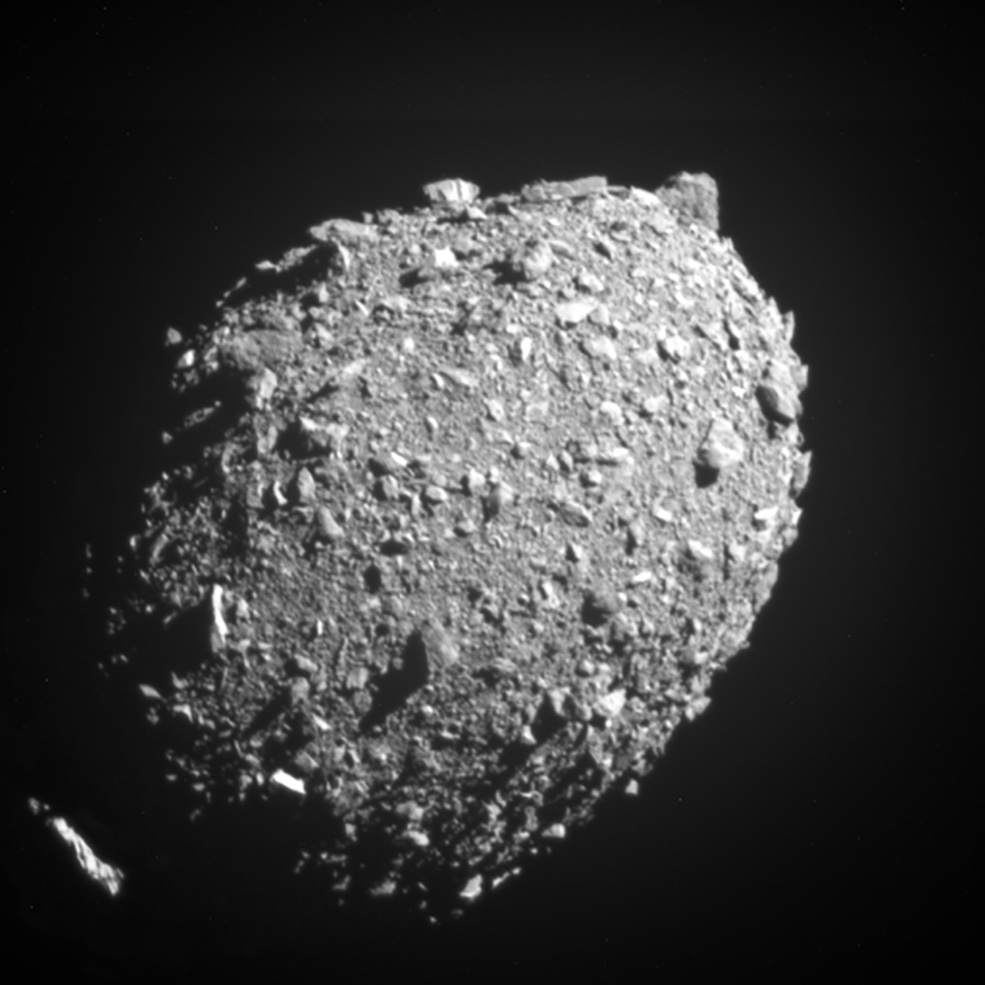
NASA's Double Asteroid Redirection Test (DART) spacecraft crashed into a distant asteroid on Monday in a mission designed to see if the force of such an impact can shift a space rock's direction of travel.
If it worked — and we may not find out for a couple of months — then we will have a way of deflecting hazardous asteroids spotted heading toward Earth. And when you consider what happened to the dinosaurs, that would be very good news indeed.

These are the final images taken by @NASA's DART spacecraft before it crashed into Dimorphos, a moon of asteroid Di… https://t.co/4An9FFrrQJ newscientist (from Worldwide) Tue Sep 27 08:49:56 +0000 2022
New images reveal the moment NASA's DART slammed into the asteroid Dimorphos. https://t.co/EjJrEPWROT https://t.co/UitD9FCGOL CNN Tue Sep 27 17:29:27 +0000 2022
🥰🍀💕❤️💋😘
https://sypuber.page.link/forestgods
Forest Gods. Click here.


No comments:
Post a Comment